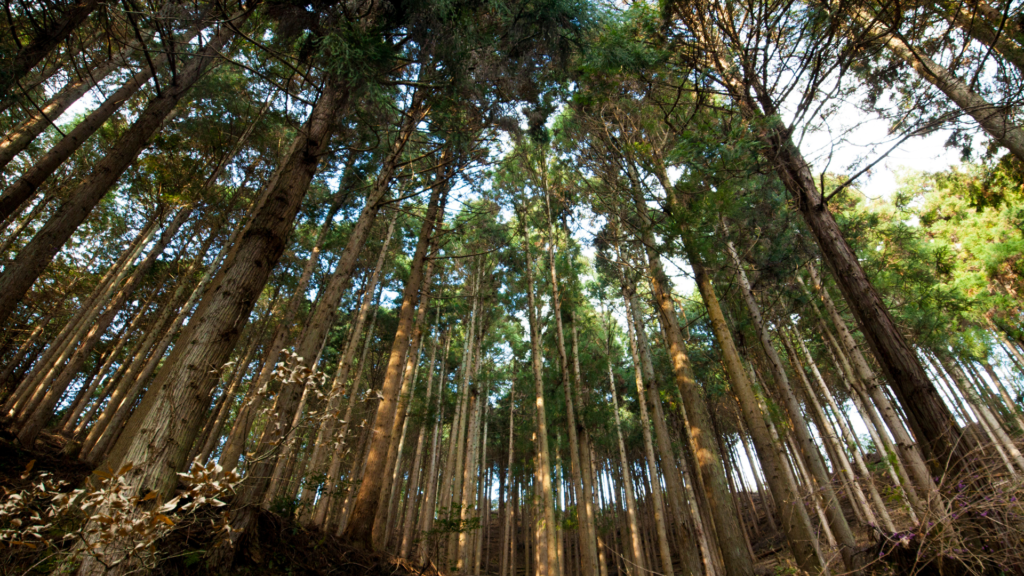
Scientific name: Chamaecyparis obtusa
Family: Cupressaceae
Extraction part: Wood (heartwood and/or wood chips)
Extraction method: Steam distillation
Note: Base note
Main components: α-pinene, sabinene, limonene, bornyl acetate, etc.
Place of origin: Japan
Component composition may vary by lot.
Overview
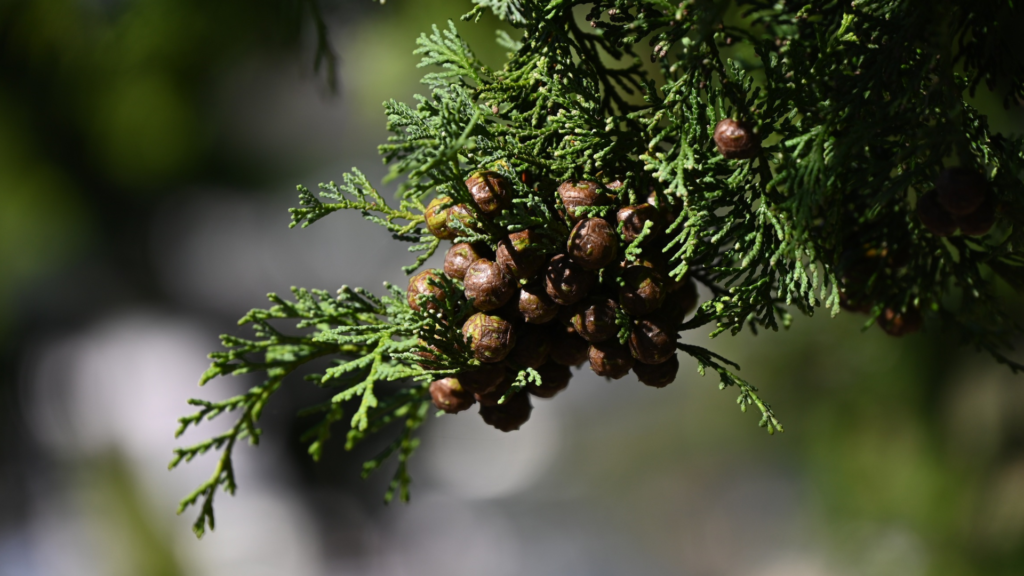
Hinoki essential oil is obtained by steam distillation from the wood of Chamaecyparis obtusa, a conifer native to Japan. Hinoki has long been valued as a building material for temples, shrines, and traditional architecture due to its durability, fragrance, and resistance to decay. The essential oil distilled from Hinoki carries these characteristics into an aromatic form, expressing the calm and refined qualities associated with Japanese forests.
Aroma Characteristics
The aroma of Hinoki essential oil is soft, clean, and woody, with gentle citrus-like brightness and subtle resinous depth. Compared to other woody essential oils, Hinoki is less sharp and less heavy, offering a balanced and composed profile. Its fragrance is often described as calming and grounding, making it suitable for compositions that seek clarity, tranquility, and natural elegance rather than intensity.
Traditional Use and Background
Hinoki has played an important role in Japanese culture for centuries. Its wood has been used in construction, bathing facilities, and daily life, and its scent is deeply associated with cleanliness, calmness, and spiritual spaces. Most notably, Hinoki is closely linked to Ise Grand Shrine, where the main shrine buildings are ritually rebuilt every twenty years through the tradition known as Shikinen Sengu. This practice reflects a uniquely Japanese view of permanence through renewal, supported by the enduring qualities of Hinoki wood.
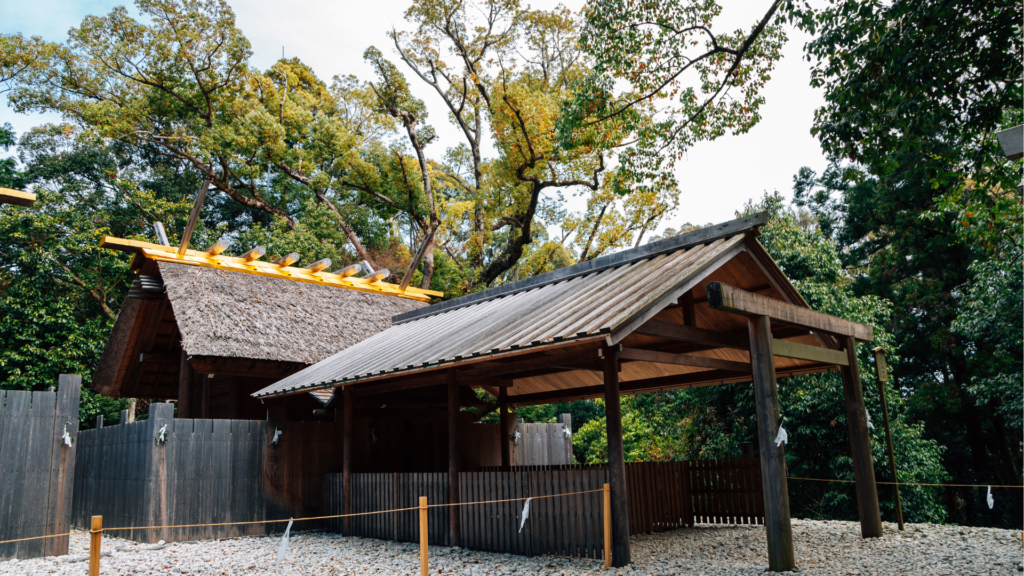
Hinoki has also been sourced from various forest regions across Japan, including areas surrounding the Kumano Kodo, where sacred paths and mountainous landscapes have shaped its cultural and spiritual significance. While Hinoki wood itself is widely recognized, the essential oil represents a more concentrated expression of these long-standing associations, translating architectural, environmental, and spiritual values into fragrance.

Production and Supply
Hinoki essential oil handled by JapanAroma is produced using wood materials generated through forestry and timber processing activities. As Hinoki is cultivated and managed across various regions in Japan, raw material availability is relatively stable compared to wild-harvested botanicals. Production volume and supply conditions can be adjusted according to project requirements, subject to processing schedules and material availability.

Quality and Compliance
GC/MS analysis and Safety Data Sheets (SDS) are available. Quality is managed on a lot-by-lot basis, and additional technical documentation can be provided upon request, depending on regulatory and application requirements.
Applications
Hinoki essential oil is used in fine fragrance, aromatherapy, personal care, home fragrance, and wellness-related products. Its calm and balanced aromatic profile makes it particularly suitable for products designed to evoke relaxation, cleanliness, and a sense of quiet space.

Availability and Inquiry
For sample requests or purchasing inquiries regarding this essential oil, please contact us via the Contact page. We may also be able to arrange Japanese essential oils not listed in our current lineup.