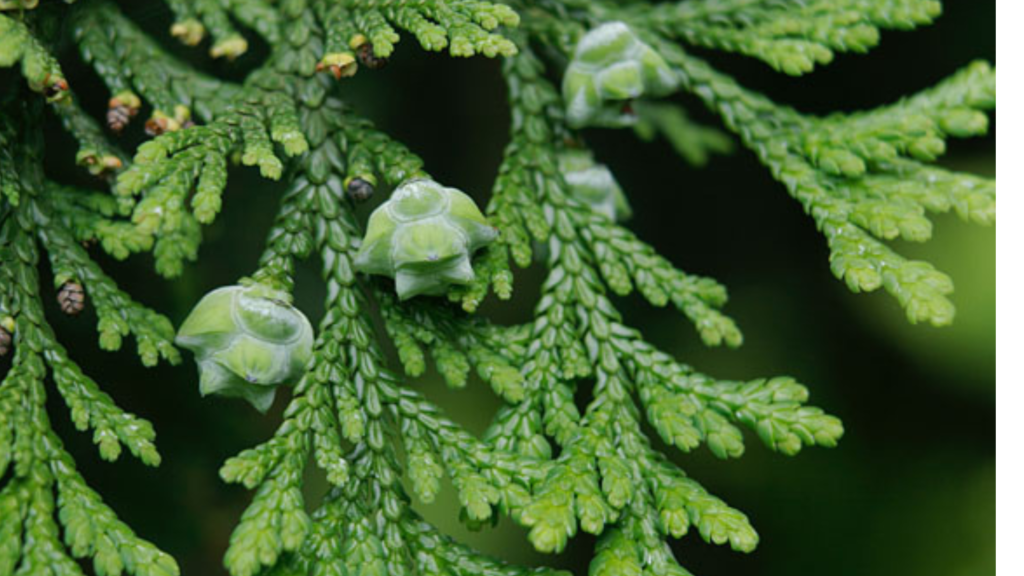
Scientific name: Thujopsis dolabrata
Family: Cupressaceae
Extraction part: Wood
Extraction method: Steam distillation
Note: Base note
Main components: Hinokitiol, thujopsene, cedrol, etc.
Place of origin: Japan
Component composition may vary by lot.
Overview
Hiba essential oil is distilled from Thujopsis dolabrata, a conifer native to northern Japan. Known for its strength, durability, and distinctive aroma, Hiba has long been trusted as a material that protects spaces, preserves cleanliness, and endures harsh environments. Rather than being associated with ceremonial architecture, Hiba is deeply rooted in daily life, where reliability and functionality are essential.
Hiba in Everyday Life
Hiba has been used across northern Japan in contexts where moisture, decay, and time present constant challenges. Its natural resistance to mold and insects has made it a trusted material for both household use and large-scale structures.
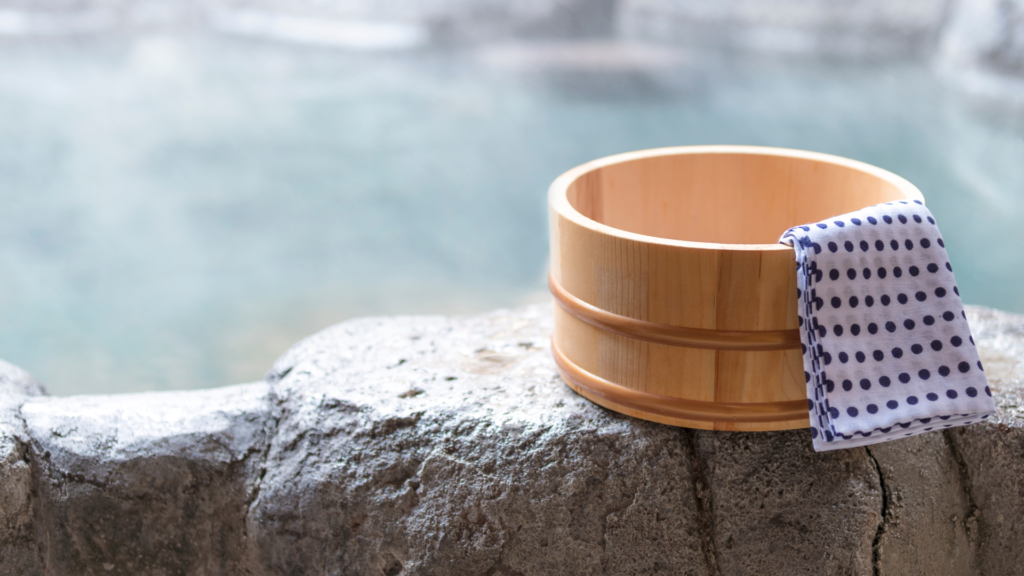
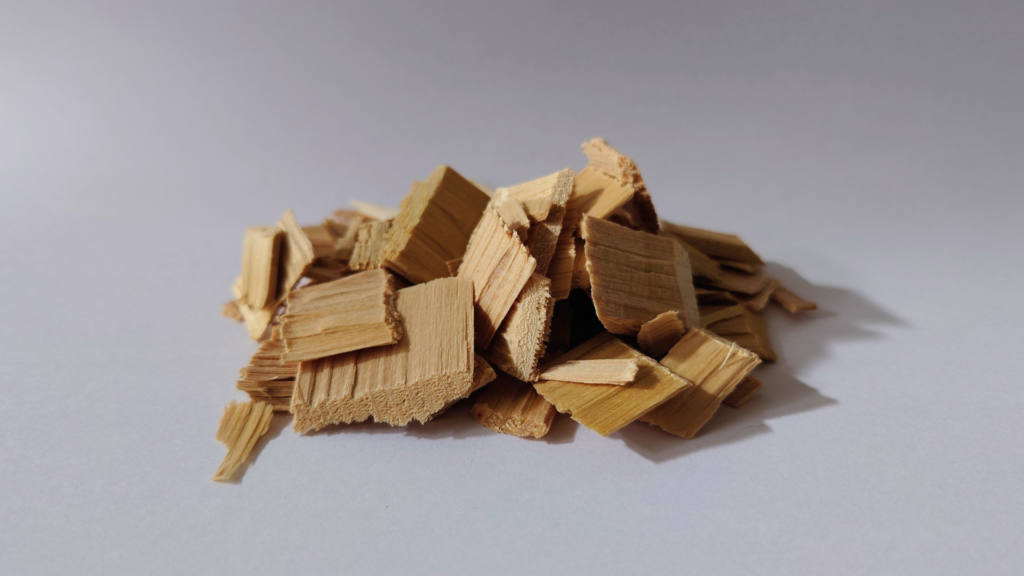
Finely cut Hiba wood chips have traditionally been used for deodorizing and moisture control, a practice that continues today in closets, storage spaces, and living environments. This everyday use reflects a long-standing understanding of Hiba’s protective properties.
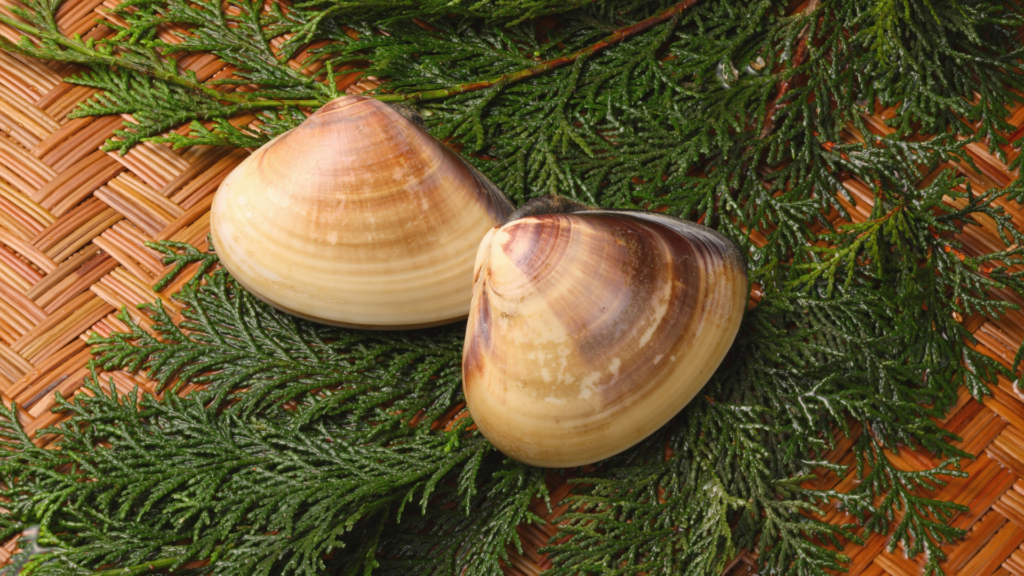
In high-end Japanese cuisine, fresh ingredients are sometimes presented on Hiba leaves or boards. This practice is not decorative alone; the clean, refreshing aroma of Hiba subtly enhances the dining experience while maintaining a sense of purity and restraint.
Architecture and Cultural Landmarks
Hiba’s durability has also supported architectural works of remarkable scale. Tsurunomai Bridge, the longest triple-arched wooden bridge in Japan, is constructed entirely from Hiba. Designed to harmonize with its natural surroundings, the bridge demonstrates how this material combines structural strength with quiet elegance.

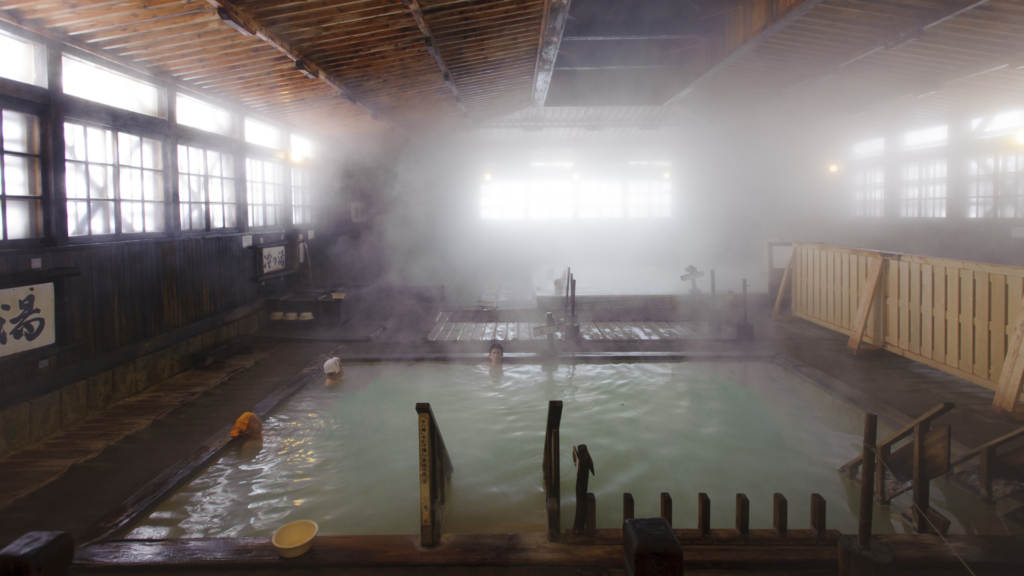
Another iconic example is Sukayu Onsen, famous for its vast “thousand-person bath,” built using Hiba. In an environment defined by steam, heat, and constant moisture, Hiba’s resilience and calming aroma contribute to an atmosphere of comfort, cleanliness, and deep relaxation.
Aroma Characteristics
The aroma of Hiba essential oil is deep, woody, and slightly smoky, with a dry, grounded quality. Compared to Hinoki or Sugi, Hiba carries more weight and firmness, evoking protection and stability rather than softness. It is a scent that settles a space, offering a sense of calm through strength rather than delicacy.
Production and Supply
Hiba essential oil handled by JapanAroma is produced from wood materials generated through forestry and timber-related processes. As Hiba resources are managed within established systems, supply is generally stable, though production volume may vary depending on material availability and intended use.
Quality and Compliance
Each lot is managed individually, with GC/MS analysis and Safety Data Sheets (SDS) available upon request. Additional technical documentation can be provided to support regulatory and formulation needs.
Applications
Hiba essential oil is suitable for fine fragrance, aromatherapy, personal care products, and home fragrance applications. Its robust character makes it particularly well suited for formulations that emphasize cleanliness, grounding, and long-lasting presence.
Availability and Inquiry
For sample requests or purchasing inquiries regarding this essential oil, please contact us via the Contact page. We may also be able to arrange Japanese essential oils beyond our current lineup.